Caring for your cardiovascular system remains vital when irregular rhythms disrupt steady blood flow inside the upper chambers. Protecting overall health requires smart clinical strategies that prevent dangerous clot formation while keeping daily routines active. Doctors now offer innovative procedures that seal off small tissue pouches without requiring major chest incisions. Exploring these targeted options helps individuals manage stroke risks safely using left atrial appendage occlusion (LAAO).
Understanding Atrial Pouch Risks
Irregular upper chamber beats often cause blood to pool slowly inside a small muscular sac. Stagnant fluid inside this tiny pocket easily forms solid clumps that can travel upward toward brain vessels. Blocking this pathway stops harmful clots from entering main circulation routes while preserving normal pumping function. Simple screening tests allow specialists to evaluate pouch dimensions accurately before recommending any preventive intervention.
Minimally Invasive Closure Steps
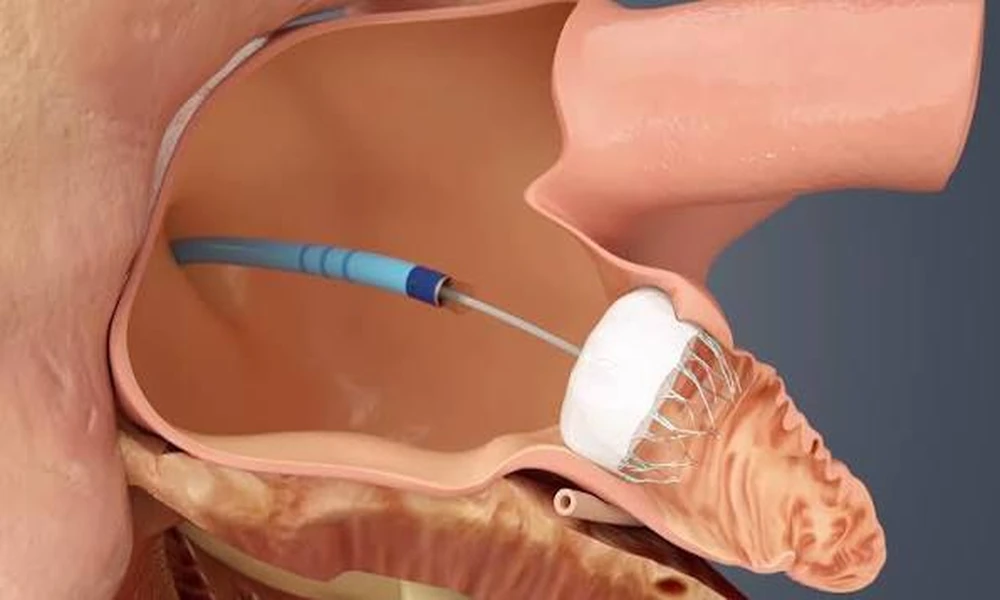
Physicians guide a slender, flexible tube through a leg vein directly into the upper cardiac chamber. A tiny umbrella-shaped device expands gently across the pouch opening to create an immediate physical barrier. Surrounding tissue grows smoothly over this implant within several weeks to seal the cavity permanently. Patients typically return home the very next day following a brief observation period.
Daily Advantages For Patients
Choosing a structural seal removes the constant burden of taking strong blood-thinning pills every single day. Active adults enjoy greater peace of mind knowing their stroke protection stays active around the clock.
- Stopping daily blood thinners lowers internal bleeding risks significantly.
- Quick recovery times let people resume normal walking routines fast.
- Permanent pouch sealing delivers reliable protection without ongoing pill schedules.
- Gentle catheter delivery avoids large scars or lengthy hospital stays.
Preparing For The Procedure
Medical teams perform detailed imaging scans beforehand to map internal chamber anatomy with high precision. Following fasting guidelines on the morning of admission ensures smooth sedation during the brief catheter placement. Arranging a trusted friend to drive you home afterward makes discharge completely stress-free.
Clear communication with your care team answers every question before entering the clinical suite. Eligible patients may consider left atrial appendage occlusion (LAAO) as an alternative approach to reducing stroke risk associated with atrial fibrillation.
Recovery And Ongoing Care
Resting quietly for forty-eight hours allows the small leg entry site to heal cleanly without strain. Follow-up ultrasound checks confirm that the new barrier sits securely against the surrounding wall. Maintaining balanced nutrition alongside gentle regular exercise strengthens overall vascular resilience for many years ahead. Routine checkups keep your wellness plan on track while celebrating steady progress.
FAQ
How long does the closure procedure usually take?
Most catheter implant sessions finish within sixty minutes under sedation.
When can patients stop taking strong blood thinners?
Doctors typically discontinue thinning medications after forty-five days post-implant.
Is an overnight hospital stay always strictly required?
Many individuals go home safely after a short recovery observation.