Eczema is a common inflammatory skin condition that can cause dryness, itching, redness, scaling, and recurring flare-ups. Because symptoms can vary considerably from person to person, many individuals explore different approaches to complement their existing skincare routines. Alternative treatments for eczema may include practices involving nutrition, botanical products, mind-body techniques, and other complementary approaches.
Understanding what these options involve can help people make informed choices. Natural remedies may appeal to individuals seeking additional ways to support skin comfort, but each approach should be considered according to its ingredients, intended use, evidence, and individual circumstances.
Understanding Eczema and Its Triggers
Eczema involves disruption of the skin barrier and inflammation. Common triggers can include irritants, allergens, changes in temperature, stress, dry environments, and certain personal-care products.
Identifying individual triggers can be an important part of managing recurring symptoms. Keeping track of flare-ups, skincare products, environmental changes, and lifestyle factors may help reveal patterns that can be discussed with a healthcare professional.
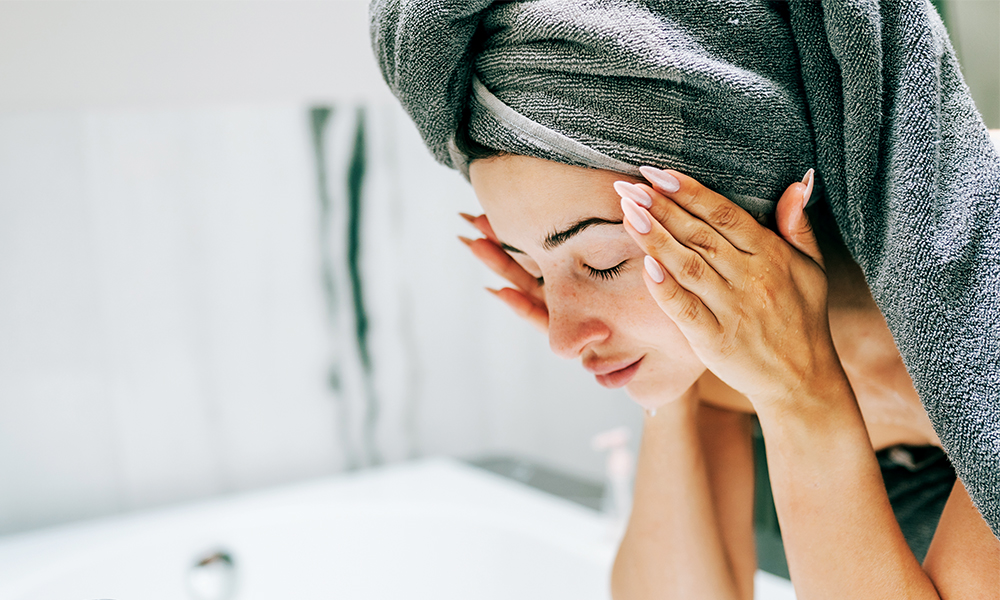
A consistent skincare routine is also important. Gentle cleansing and regular use of moisturizers can help maintain the skin barrier and reduce excessive dryness.
Exploring Botanical Ingredients
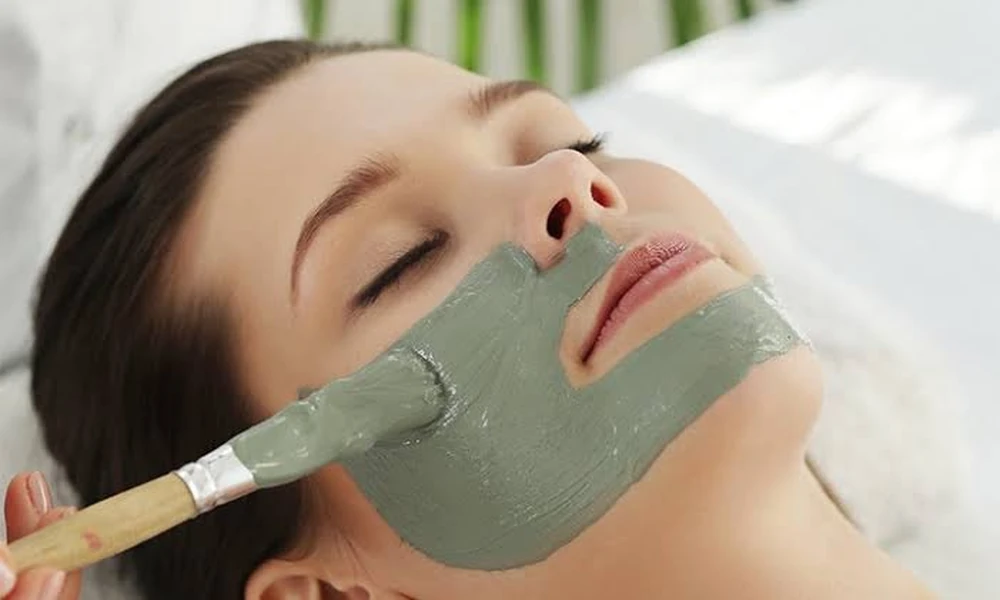
Plants and botanical ingredients have a long history of use in traditional health practices. Some people consider botanical creams, oils, or other plant-derived preparations as part of their approach to eczema care.
When considering alternative eczema medication, it is useful to examine the specific ingredient rather than assuming that every natural product has the same effects. Research into botanical preparations varies considerably, and some products have been investigated more extensively than others.
Certain topical preparations have shown potential in research, but further studies are often needed to determine their effectiveness, appropriate formulations, and long-term safety.
Considering Nutrition and Supplements
Nutrition may also enter conversations about eczema management. A balanced diet provides nutrients that support normal immune function, skin maintenance, and overall health.
Some individuals consider supplements such as vitamins, minerals, fatty acids, or probiotics. However, evidence differs between individual supplements and patient groups. Current clinical guidance does not provide consistent support for several commonly promoted supplements for established atopic dermatitis.
Before adding a supplement, it is helpful to review its ingredients, dosage, potential interactions, and suitability with a qualified healthcare professional. This is particularly important for children, pregnant individuals, older adults, and people taking medications.
Mind-Body Practices for Well-Being
Eczema can be uncomfortable, and persistent itching may affect sleep, concentration, and daily activities. Stress may also coincide with worsening symptoms for some individuals.
Mindfulness, meditation, relaxation exercises, and similar practices can provide ways to incorporate stress management into a broader wellness routine. Research on relaxation techniques for atopic dermatitis has produced some encouraging findings, although studies remain limited and vary in quality.
For someone exploring alternative medicine for eczema, mind-body practices may therefore be considered as part of an individualized approach to overall well-being.
Choosing Natural Products Carefully
The term “natural” describes the source or marketing of an ingredient rather than guaranteeing its suitability for everyone. Botanical ingredients can still cause irritation or allergic reactions, particularly when applied to already inflamed skin.
Product quality is another consideration. Supplements and herbal preparations can differ in formulation, concentration, and manufacturing standards. Some products may also interact with medications. Discussing proposed supplements or topical products with a healthcare professional can help identify potential concerns.
Patch testing a new topical product on a small area, when appropriate, may also help identify an unwanted reaction before broader application.
Combining Approaches With Skin Care
Complementary approaches can be incorporated into a broader eczema-management plan. Moisturizing regularly, using gentle skincare products, identifying triggers, and following an individualized treatment plan remain important components of skin care.
A healthcare professional can help determine whether persistent symptoms may require additional assessment or treatment. Complementary approaches can then be discussed as part of an informed conversation about personal preferences and wellness goals.
For individuals considering alternative medicine for eczema, combining thoughtful product selection with established skin-care practices can provide a structured way to explore additional options.
When to Seek Professional Guidance
Eczema that becomes painful, rapidly worsens, develops oozing or crusting, or interferes significantly with sleep and daily activities deserves professional attention. A dermatologist can assess symptoms, identify possible triggers, and recommend appropriate management.
Professional guidance is also valuable before making major dietary changes or beginning supplements, particularly when other medical treatments are already being used. Keeping healthcare providers informed about complementary practices supports coordinated care.
Ultimately, alternative medicine for eczema can encompass a range of practices rather than one specific treatment. Learning about individual options, considering available evidence, and discussing choices with qualified healthcare professionals can help people develop a personalized and well-informed approach to eczema care.