The pelvic floor is a critical group of muscles that supports bladder and bowel control, sexual function, and core stability. While often ignored until issues like leakage or postpartum recovery arise, “pelvic floor exercises“ (commonly known as Kegels) should be a proactive part of health. In 2026, many physiotherapists recommend a “biofeedback” approach—learning to properly relax the muscles as well as contract them—to avoid “hypertonic” pelvic floor issues, which can cause chronic pain.
**The short answer:** Pelvic floor exercises (most commonly Kegel exercises) strengthen the muscles that support the bladder, bowel, and uterus or prostate. They’re effective for stress incontinence, urge incontinence, prolapse prevention, and postpartum recovery in women – and for urinary control and sexual function in men. Results typically appear within 4-8 weeks of consistent daily practice.
—
What Is the Pelvic Floor?
The pelvic floor is a group of muscles, ligaments, and connective tissue that forms a hammock-like base at the bottom of the pelvis. It runs from the pubic bone at the front to the tailbone at the back.
These muscles do several critical jobs:
- Support the bladder, bowel, and (in women) the uterus
- Control the opening and closing of the urethra, vagina, and rectum
- Contribute to core stability alongside the diaphragm and deep abdominal muscles
- Play a key role in sexual sensation and function
Like any muscle group, the pelvic floor can be strengthened or weakened depending on how it’s used – or not used.
—
Signs of a Weak Pelvic Floor
| Symptom | Who It Affects |
|—|—|
| Leaking urine when sneezing, coughing, laughing, or exercising (stress incontinence) | Primarily women; also men after prostate surgery |
| Sudden, urgent need to urinate that’s hard to control (urge incontinence) | Both |
| Inability to make it to the toilet in time | Both |
| Reduced sensation during sex | Both |
| Pelvic organ prolapse (feeling of heaviness or bulging in the pelvic area) | Women |
| Difficulty emptying bladder or bowel fully | Both |
| Lower back pain without clear musculoskeletal cause | Both |
—
Who Benefits from Pelvic Floor Exercises?
| Group | Primary Benefits |
|—|—|
| Postpartum women | Restores muscle tone after vaginal delivery; reduces incontinence |
| Pregnant women | Prepares for labor; reduces risk of tearing; speeds recovery |
| Men post-prostate surgery | Reduces or eliminates urinary incontinence |
| Older adults (60+) | Maintains bladder control as muscle tone naturally declines |
| Athletes | Improves core stability; prevents exercise-induced leakage |
| Anyone with incontinence | First-line treatment before medication or surgery |
—
How to Do Kegel Exercises – Step by Step
The key to Kegels is identifying the correct muscles first. Many people inadvertently squeeze their buttocks, thighs, or abdomen instead – which doesn’t work.
Finding the right muscles:
Imagine you’re trying to stop the flow of urine midstream, or trying to prevent passing gas. The muscles you’re contracting – internally, without any visible movement – are your pelvic floor muscles.
The basic Kegel:
1. Empty your bladder first
2. Lie down, sit, or stand – all positions work
3. Contract the pelvic floor muscles – hold for 3-5 seconds
4. Release completely – this is equally important as the contraction
5. Rest for 3-5 seconds
6. Repeat 10-15 times
Build up gradually:
- Week 1-2: Hold for 3 seconds, 10 repetitions, 3 times daily
- Week 3-4: Hold for 5 seconds, 10 repetitions, 3 times daily
- Week 5+: Hold for 10 seconds, 10 repetitions, 3 times daily
—
Common Mistakes That Undermine Results
**Holding your breath** – You should breathe normally throughout. Breath-holding creates intra-abdominal pressure that can actually work against pelvic floor strengthening.
**Squeezing the wrong muscles** – If your buttocks or thighs are visibly clenching, redirect your focus internally.
**Not fully releasing** – The relaxation phase is as important as the contraction. A constantly tensed pelvic floor (hypertonic) causes its own problems – pain, difficulty with penetration, urinary urgency.
**Doing Kegels during urination** – Stopping urine flow is a useful way to identify the muscles, not a technique to use repeatedly. It can disrupt normal bladder function over time.
**Expecting overnight results** – Consistent practice for 6-12 weeks is typically needed before significant improvement.
—
Beyond Kegels – A More Complete Approach
Kegels strengthen the pelvic floor in isolation. But the pelvic floor works as part of a larger system – including the diaphragm, deep abdominals (transversus abdominis), and deep hip muscles. Integrating these can produce better functional results:
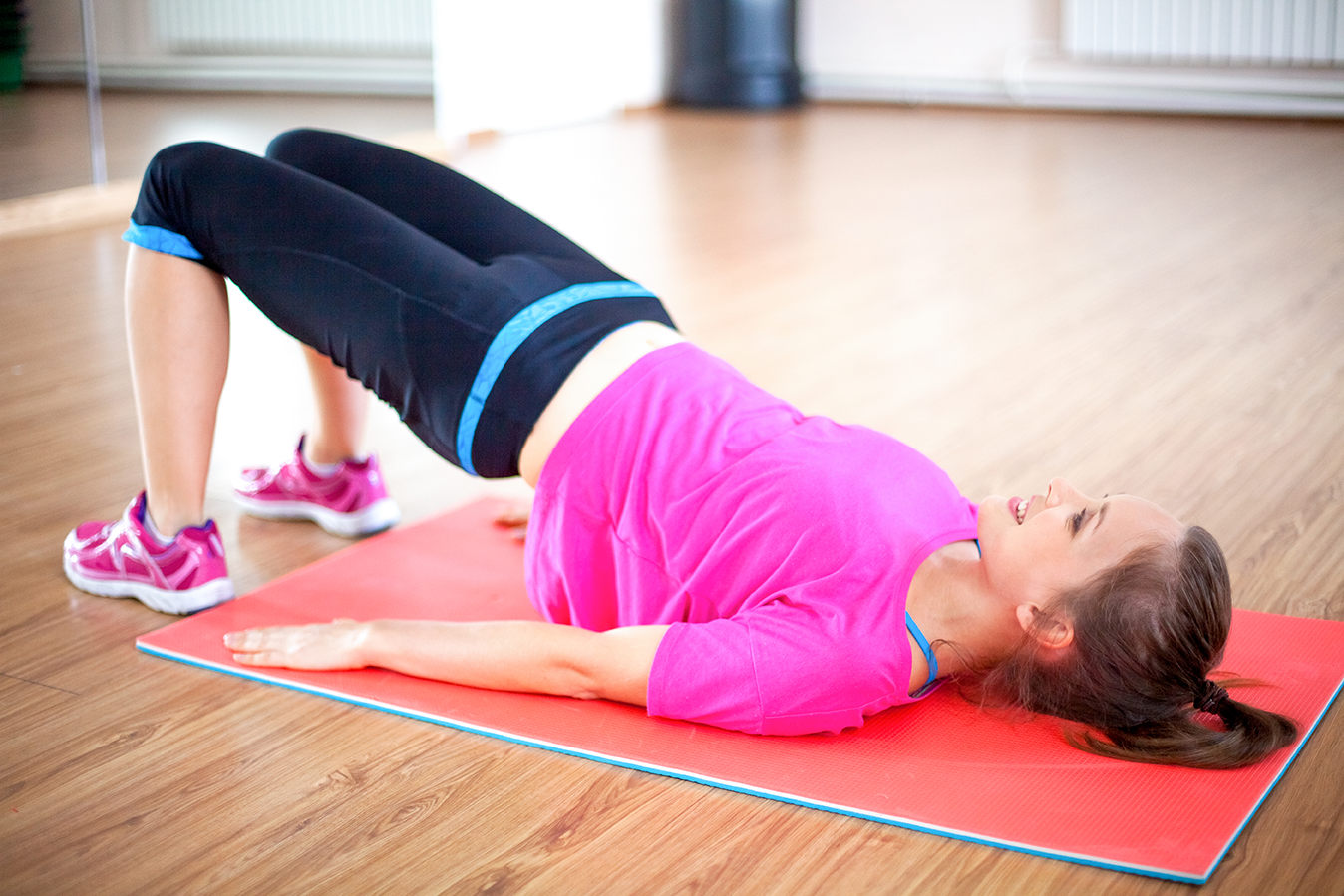
**Glute bridges** – Lie on your back with knees bent. Lift hips, squeeze glutes, engage pelvic floor. Excellent for integrating posterior chain and pelvic floor.
**Squats** – Full, controlled squats strengthen glutes and pelvic floor simultaneously. Focus on full descent and controlled return.
**Diaphragmatic breathing** – Breathe deeply into the belly; feel the pelvic floor gently drop on the inhale and lift on the exhale. This teaches the pelvic floor to coordinate with breathing rather than working in isolation.
**Bird-dog** – On hands and knees, extend opposite arm and leg while maintaining a neutral spine. Challenges the deep stabilizers including the pelvic floor.
—
How Long Until You See Results?
| Timeline | What to Expect |
|—|—|
| 2-4 weeks | Increased awareness of the muscles; some reduction in leakage episodes |
| 4-8 weeks | Noticeable improvement in stress incontinence; better control overall |
| 3-6 months | Significant strengthening; most people achieve their goals within this window |
| Ongoing | Maintenance – 3 sets per day, indefinitely, to sustain results |
—
When to See a Pelvic Floor Physiotherapist
Self-directed Kegels work well for many people. But a pelvic floor physiotherapist is worth seeing if:
- You’ve been doing Kegels for 3+ months with no improvement
- You have pelvic pain (tightness may be the problem, not weakness)
- You’re recovering from prolapse, surgery, or complicated childbirth
- You’re unsure whether you’re targeting the right muscles
- You have bowel dysfunction alongside bladder issues
A pelvic floor physio can assess muscle tone internally, identify whether you need strengthening or relaxation, and tailor a program to your specific needs. It’s a specialized but increasingly accessible field.
—
Final Thought
The pelvic floor is one of the most important – and most neglected – muscle groups in the body. Unlike biceps or abs, it doesn’t show. But it underpins functions that significantly affect quality of life.
Ten minutes a day is enough. Start now, before you have a reason to.