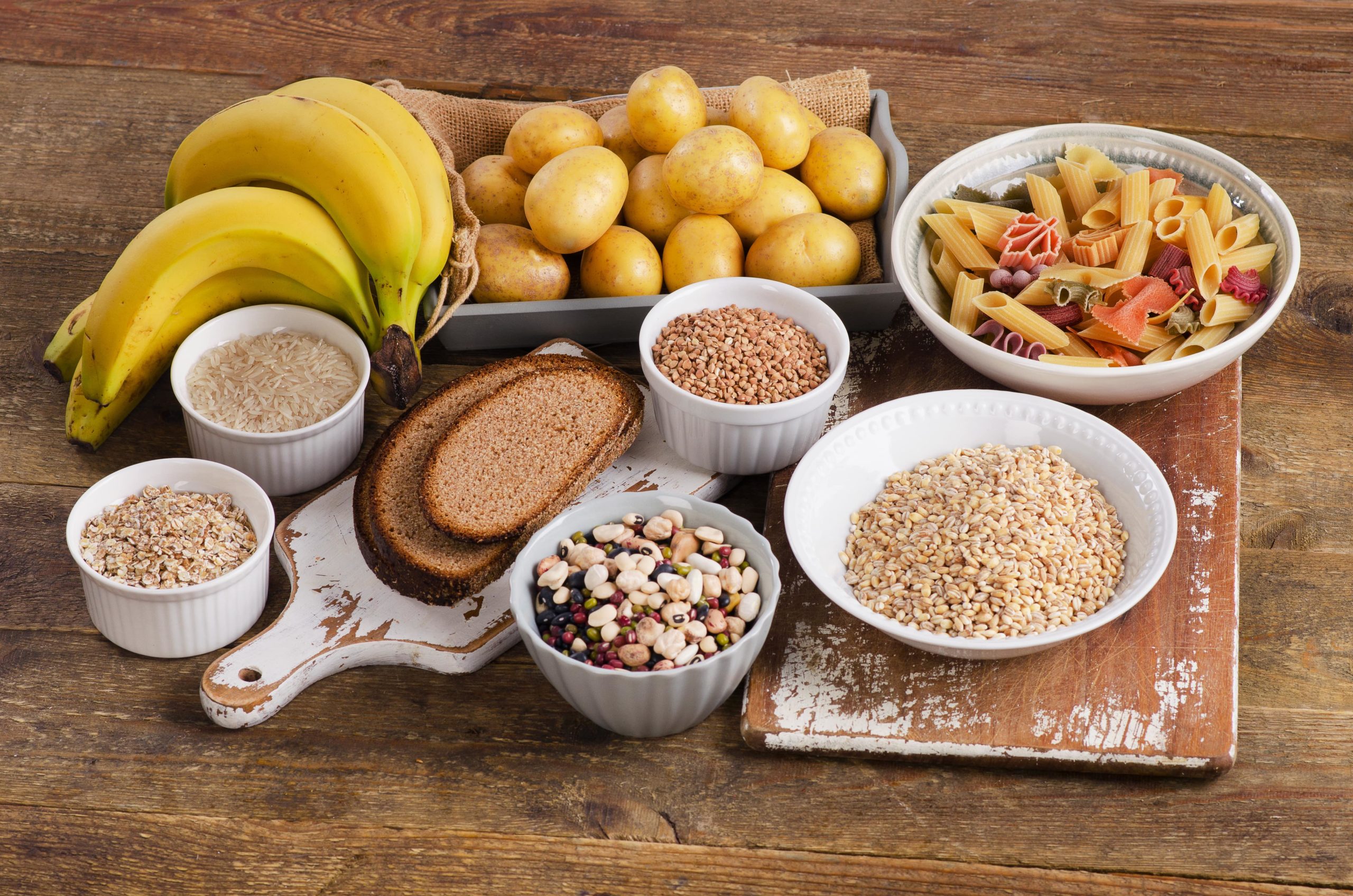
When considering What Foods Stop Diarrhea Fast, simple, low-fiber, binding foods are usually the easiest options for the digestive system. Bananas, white rice, plain toast, applesauce, and boiled potatoes, paired with plenty of fluids and electrolytes, may help firm up stool and replace what the body is losing. These foods are generally easier to tolerate than heavy, fatty, or spicy meals.
Diarrhea is the gut’s way of flushing something out quickly, whether that’s a virus, bad food, or irritation. While it usually resolves on its own within a day or two, what you eat during that window can either calm things down or make the episode last longer.
Eat This, Not That
| Eat These | Avoid These |
|---|---|
| Bananas | Dairy (milk, cheese, ice cream) |
| White rice | Fried or greasy foods |
| Plain toast or crackers | Caffeine (coffee, energy drinks) |
| Applesauce | Spicy foods |
| Boiled or mashed potatoes (no skin) | Artificial sweeteners (sorbitol, xylitol) |
| Clear broths and soups | Sugary drinks and juices |
| Plain oatmeal | Raw vegetables and high-fiber salads |
Why These Foods Work
Bananas: High in pectin, a soluble fiber that absorbs excess water in the gut and helps bind loose stool. They also replace potassium lost during diarrhea.
White rice: Low in fiber and easy to digest, white rice provides energy without further irritating the digestive lining the way whole grains can.
Toast and crackers: Bland, starchy, and low-residue, these settle the stomach and are gentle enough even when appetite is low.
Applesauce: Like bananas, it’s a good source of pectin, plus it’s gentle on an already-irritated gut compared to raw, fibrous fruit.
Boiled potatoes: A mild, easily digestible source of carbohydrates and potassium, without the skin’s added fiber that can aggravate symptoms.
Don’t Forget Fluids: The Most Important Part
Food matters, but rehydration is what actually prevents diarrhea from becoming dangerous. Diarrhea pulls water and electrolytes like sodium and potassium out of the body fast, and dehydration is the main reason mild cases turn into medical ones.
| Drink | Why It Helps |
|---|---|
| Oral rehydration solution (ORS) | Specifically balanced sodium, potassium, and glucose to replace what’s lost |
| Clear broths | Replace sodium and fluids while providing a little easy-to-digest nourishment |
| Water (in small, frequent sips) | Basic hydration, best combined with electrolytes rather than alone |
| Diluted electrolyte drinks | Helpful if ORS isn’t available, though many contain more sugar than ideal |
Avoid gulping large amounts of plain water at once. Small, frequent sips are absorbed more effectively and are less likely to trigger nausea.
What Makes Diarrhea Worse
- Dairy products: many people temporarily lose the ability to digest lactose well during a GI illness
- Fried and fatty foods: harder to digest and can speed up gut motility further
- Caffeine: acts as a mild stimulant laxative and can worsen fluid loss
- Artificial sweeteners: sorbitol and xylitol in sugar-free gum or candy have a known laxative effect
- High-fiber raw produce: harder to break down when the gut lining is already irritated
When to See a Doctor
Most diarrhea clears up within 1 to 3 days with rest, bland food, and fluids. But certain signs mean it’s time to get medical attention rather than wait it out.
| Red Flag Symptom | Why It Matters |
|---|---|
| Diarrhea lasting more than 2 days in adults (24 hours in children) | May indicate an infection that needs treatment |
| Blood or mucus in stool | Can signal a more serious bacterial infection or inflammatory condition |
| Fever above 102°F (39°C) | Suggests the body is fighting a significant infection |
| Signs of dehydration (dizziness, dark urine, dry mouth) | Dehydration can become dangerous quickly, especially in children and older adults |
| Severe abdominal pain | May point to something beyond typical stomach upset |
Quick Answers
Is the BRAT diet still recommended? Many doctors now suggest a broader range of bland foods rather than strict BRAT (bananas, rice, applesauce, toast), since a slightly more varied bland diet provides more nutrients during recovery.
Should I eat at all if I have no appetite? Small, frequent amounts of bland food are better than skipping meals entirely, as long as nausea allows it.
How fast do these foods actually work? They typically help firm up stool within a few bowel movements to a day, though full recovery from the underlying cause may take a bit longer.